Can you have a second hair transplant? When and Why You Need It
- Dylan Williams
- Oct 28, 2025
- 3 min read


Just think about it- you get your first hair transplant, but after a few years, you start to notice that it's getting thinner again. You felt better after the first procedure, but now you're wondering if you can get a second hair transplant. Yes, and it's more common than you might think.
Many people get a second hair transplant to make their hair thicker, cover new areas of thinning, or improve the results of their first procedure. But before you make that choice, it's essential to know why and when you need it, as well as what makes you eligible.
Meet a Hair Transplant Specialist in Miami for a hair transplant. And, if your first hair transplant went bad, think about getting a second one done by a professional.
Why People Get a Second Hair Transplant
Hair loss gets worse over time. Your native hair (the hair that wasn't transplanted) might keep getting thin even after your first transplant. To keep or improve your look, a second procedure is often the next logical step. These are the most common reasons:
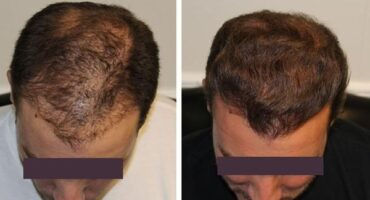
To Make It Thicker: Some patients think their first transplant didn't make their hair as full as they wanted, especially in areas where they were losing a lot of hair. A second session helps those areas look thicker and more natural. A Hair transplant specialist in Miami allows you to achieve this with a second hair transplant.
When Should You Plan for Getting a Second Hair Transplant?
When you are ready for another procedure, it is essential. If you jump too soon, you could get bad results or hurt your donor area.
Experts usually say to get a second transplant when:
At least 12 to 18 months after your first surgery.
It takes time for your scalp to heal, and the full results of the first transplant usually don't show up for a year.
When hair loss has stopped.
If your hair is still falling out quickly, a second transplant might not work. Your doctor may first suggest medical treatments like minoxidil or finasteride.
When your donor area is strong.
A second transplant depends heavily on whether healthy donor hair is available, which is usually from the back of your head. Your doctor will check the density and quality before giving you the go-ahead.
When you are ready in your mind and wallet.
Restoring hair takes time and money, so it's an investment. A clear consultation helps you set long-term goals.
Why it's important to pick the right specialist
Not every hair doctor in Fort Lauderdale is skilled enough to do a successful second transplant. The challenging part is working with small donor areas and ensuring the new grafts fit with the old ones.
That's why it's so important to see a Hair Transplant Specialist who is known for using cutting-edge methods and has a history of success.
The most important thing is to look at your donor area.
The back and sides of your scalp are usually where your donor area is. This is what decides if a second hair transplant is possible. The surgeon looks at:
Density: How many grafts from your first procedure can still be used?
If you don't have sufficient donor hair, your hair doctor may recommend other options.
Outcomes that appear natural within 12 to 14 months
You will achieve permanent, aesthetic results if you care for them properly, including washing them gently, avoiding the sun, and following your surgeon's post-op instructions.
What a Hair Doctor Does to Help You Take Care of Your Hair Long-Term
After two transplants, it's very important to keep both transplanted and native hair healthy. Working with a Hair Transplant Specialist in Miami will ensure that your hair stays strong, healthy, and well-nourished.
If you're unsure whether you require a second hair transplant, visit a hair loss clinic in Fort Lauderdale for a complete check-up. Clinics with cutting-edge diagnostic tools, such as trichoscopy and digital scalp mapping, can evaluate your donor regions, scalp health, and the efficacy of your last transplant.
The professionals will then help you map a realistic treatment plan that considers how it will look, its safety for your health, and its long-term effects. It's not just about getting your hair back; it's also about getting your confidence back with results that last.


Comments