top of page
Search
  • Writer: Dylan Williams
    Dylan Williams
  • May 21
  • 3 min read

You notice it in the mirror first. A thinner hairline. More strands on the pillow. A drain that clogs faster than it used to. For many younger men, hair loss shows up years earlier than expected.


That is why searches for a trusted Hair Loss Clinic in Pompano Beach, FL continue to rise. Men want solutions, not excuses.


Losing hair in your 20s can feel personal, but it often has clear causes. Some are genetic. Others come from stress, lifestyle habits, or underlying health issues. The key is finding the real cause before choosing treatment.


Genetics Is The Most Common Cause


The most common reason men lose hair young is male pattern baldness, also known as androgenetic alopecia. It often begins in the late teens or early 20s.


You may notice:

  • Receding temples

  • Thinning at the crown

  • Reduced overall density

  • A widening part line or visible scalp under bright light


If your father, grandfather, or uncles lost hair early, your chances increase. Genetics determines how sensitive your follicles are to DHT (dihydrotestosterone), a hormone that gradually shrinks hair follicles over time.


A professional hair loss diagnosis can confirm whether genetics is the main cause or if something else is contributing.


Stress Can Trigger Sudden Shedding


Your 20s can be stressful. Career pressure, financial uncertainty, relationship changes, poor sleep, and long work hours all affect the body.


When stress remains high for long periods, some men develop telogen effluvium. This condition pushes more hairs into the shedding phase too soon.


Instead of a receding hairline, it often appears as:

  • Sudden diffuse thinning

  • More hair in the shower

  • Increased shedding while brushing

  • Reduced volume all over the scalp


Common Triggers Include:


  • Emotional stress

  • Rapid weight loss

  • Fever or illness

  • Surgery

  • Burnout

  • Sleep deprivation


The good news is that stress-related shedding often improves once the trigger is removed. If it does not improve, consider professional hair loss treatment in Miami.


Diet and Nutrition Matter More Than Most Men Think


Hair growth requires fuel. Many younger men skip meals, crash diet, or survive on fast food and energy drinks. That can disrupt the growth cycle.


Low levels of these nutrients can lead to hair thinning:

  • Iron

  • Vitamin D

  • Zinc

  • Protein

  • B vitamins


Poor nutrition can weaken strands, slow regrowth, and increase shedding. A Hair Loss Clinic in Pompano Beach, FL may recommend blood tests if signs of deficiency are present.


Scalp Health Problems Can Also Cause Hair Loss


Sometimes the scalp itself becomes part of the problem. Inflammation, fungal issues, excessive oil buildup, or chronic irritation can weaken follicles over time.


Warning Signs Include:


  • Continuous itching

  • Redness

  • Flaking

  • Tenderness

  • Greasy buildup

  • Burning sensation

Ignoring these symptoms may worsen shedding and delay proper treatment.


Why Early Treatment Changes Outcomes


Hair loss responds better when treated early. Early-stage follicles are often more responsive than follicles that have gone dormant.


Men who seek help sooner often preserve more native hair and achieve stronger long-term results.


A Hair Loss Clinic in Pompano Beach, FL may discuss options such as:


  • PRP-based support treatments

  • Lifestyle improvement

  • Nutritional support

  • Advanced restoration plans


If you are comparing providers for hair loss treatment in Miami, focus on the quality of the diagnosis first. Treatment without proper diagnosis may fail to address the real cause.


The American Academy of Dermatology provides educational information on hair loss causes and scalp conditions. The International Society of Hair Restoration Surgery also offers patient guidance on hair restoration and treatment planning.


Final Thoughts


Hair loss in your 20s is more common than many men realize, but early action can make a major difference. Genetics, stress, nutrition, and scalp health all play a role, which is why accurate diagnosis matters before starting treatment.


If your hair loss condition is becoming difficult to manage, schedule a consultation with Powell Medical Hair Transplant Center. Their team performs detailed scalp evaluations and recommends treatment plans based on your specific condition, goals, and long-term hair health.

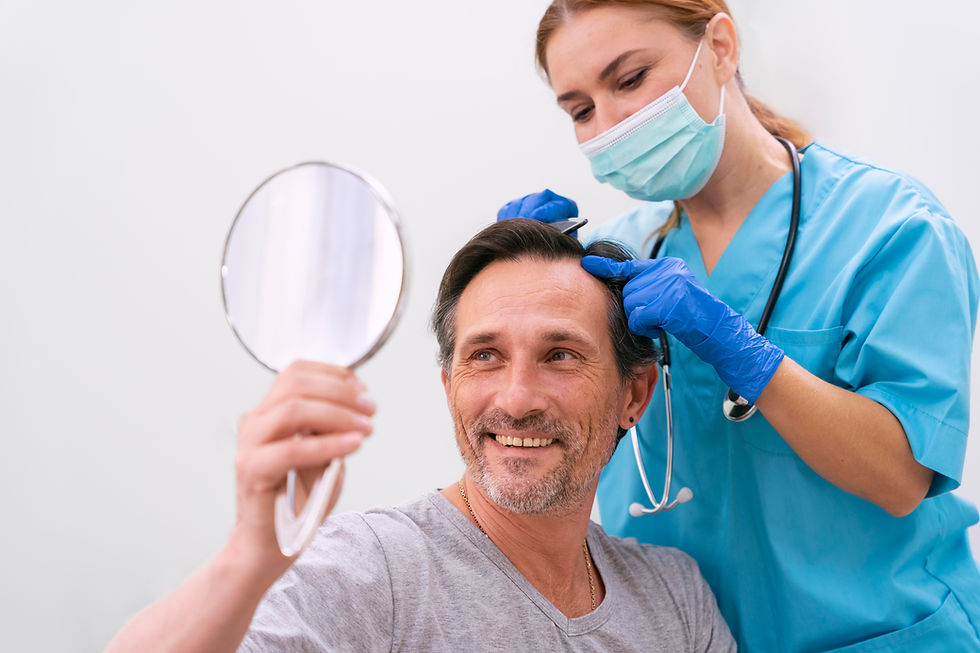


Your life becomes miserable due to excessive hair shedding.  Hair in your shower drain. Extra hair loss during brushing, and more. It's natural to freak out and think the worst, but not every strand you lose means something is wrong.


It's easy to see that hair loss and hair shedding are not the same thing. One is natural and will go away on its own. The other might need a Hair Loss Specialist in Miami.


Knowing the difference can help you avoid stress or take action before the problem worsens.


What Is Hair Shedding? 


It's normal for your scalp to shed some hair every day, since it is constantly growing new hair.

This is what's going on:

There are three stages of hair growth: anagen (growth), catagen (transition), and telogen (rest).

At the end of the cycle, old strands fall out so that new ones can grow in.

Things that might cause temporary shedding:

  • Stress or being sick

  • Changes in hormones

  • Changes in the seasons

  • Recovery after giving birth

  • Crash dieting

Telogen effluvium is the name of this condition, and in most cases, it goes away on its own in a few months.

 Important point: If your hair is falling out but growing back normally, you probably have shedding, not permanent loss. 


What Does Hair Loss Mean? 


Hair loss is more than just a normal cycle. It happens when:

Hair doesn't grow back. Follicles get smaller or stop working. Over time, thinning becomes clear. Hair loss differs from shedding in that it usually worsens over time and may not improve on its own. The common hair loss types are:

  • Androgenetic alopecia (baldness that follows a pattern)

  • Alopecia areata (associated to autoimmune disease)

  • Alopecia due to traction (tight hairstyles)

  • Scarring alopecia is when the hair follicles are permanently damaged.Things to look out for:

  • Hairline that is getting thinner or a section that is getting wider

  • Bald spots and noticeable thinning near the crown

  • Regrowth occurs slowly after shedding

  • Hair looks thinner or weaker


If your hair isn't growing back the way it used to, you might be losing it. And, in this case you can consider Hair Replacement in Fort Lauderdale.


The Main Differences Between Hair Shedding And Hair Loss


Knowing the difference helps you choose what to do next. Hair Shedding occurs:

  • For a short time

  • Evenly spread out over the scalp

  • Hair grows back on its own

Hair Loss occurs:

For a long time or forever

  • Thinning in a pattern (hairline, crown)

  • Less regrowth

  • Most of the time, it's genetic or medical


When Should You Start Worrying?


You don't have to rush to the clinic every time you notice hair falling out.But some signals need to be looked at. If you see any of the following, talk to a Hair Loss Specialist in Miami:

Losing hair for more than 3 to 6 months

Suddenly, too much hair loss

  • Scalp that can be seen in some places

  • Family history of hair loss

  • No regrowth after losing hair

  • Changes in the hairline or thinning of the crown


This is when early-stage hair loss treatment is important. The sooner you find out what the problem is, the higher your chances of fixing it or keeping it under control.


How to Stop Men from Losing Hair (Before It Gets Worse)


Men typically don't pay attention to early symptoms until the damage is clear. But taking proactive efforts can make a big difference. Some good strategies are:

  • Use medications that have been shown to work in the lab, like minoxidil or finasteride. 

  • Follow a nutrient-rich diet, including protein, iron, and biotin. 

  • Exercise or meditate to lower your tension. 

  • Stay away from harsh styling products and heat tools.

  • Get your scalp checked regularly


If you're actively looking for ways to reduce hair loss in men, the most important thing is to get an early diagnosis and stick with treatment


Why Timing Is Important for Early Stage Hair Loss Treatment


What is the biggest mistake people make? Too much waiting.  Once follicles die, it's hard to grow back hair without surgery. Options for treating hair loss in the early stages:

  • Therapy using PRP (Platelet-Rich Plasma)

  • Laser therapy to stimulate the scalp

  • Medications that require a prescription

  • Therapy for food

  • Personalized hair care routines

Starting early can:

  • Make hair loss happen more slowly

  • Make your hair stronger

  • Stop permanent loss

  • When to See a Hair Loss Specialist 

Every scalp is different, so what works for one person may not work for another. A skilled Hair Loss Specialist in Miami can:

  • Find out exactly what is wrong with you

  • Suggest individualized treatment plans

Hair replacement in  Fort Lauderdale services offer cutting-edge solutions that are personalized to each person's needs for those looking into restoration possibilities. These hair restoration solutions provide you:

  • Results that look natural

  • Improvement over time

  • More self-assurance and better looks


Don't ignore the signs; do something right now. Once hair problems reach a certain extent, they rarely go away on their own. The sooner you act, the more choices you have. 


Losing hair may be incredibly annoying, unpredictable, and personal. You are not the only one who has noticed a receding hairline, a thinning crown, or too much shedding. 

Hair restoration techniques have come a long way since then. They now provide results that look natural and last a long time, with very little downtime.


If you're considering Hair Restoration For Men in Pompano Beach, FL, understanding what really happens during a hair restoration process can help you feel better and make a decision with confidence. We'll walk you through the complete process, from the initial meeting to the results, so you know what to expect.


Step 1: The First Meeting: Your Personalized Plan

The first step in any effective hair restoration treatment is to have a full Hair Loss Consultation in Pompano Beach. This is where professionals examine your hair loss pattern, scalp health, and overall health.

At this point, you should expect:

  1. A complete checkup of the scalp

  2. Talking about your past health and your lifestyle

  3. Finding out what's making your hair fall out

  4. Personalised hair loss treatment plan


Step 2: Choosing the Right Technique 

There are many techniques to restore your hair. Based on your consultation, your specialist will recommend the best course of action. The two most common types of hair restoration are:


1. Follicular Unit Extraction (FUE)


  • The donor area is where hair follicles are plucked one by one.

  • Not too intrusive, and no visible scars will be there.

  • Less time to heal.


2. Follicular Unit Transplantation (FUT)


  •  A strip of scalp is taken off and then sliced into small pieces called grafts.

  • Great for men who need multiple hair grafts

  •  Leaves a thin and linear scar

Visiting a hair loss clinic in Fort Lauderdale enables you to meet hair loss specialists who help you make the best hair restoration decision.


Step 3: Getting Ready for the Procedure

Preparation is crucial for hair restoration and achieving the best results. Your surgeon will ask you do the following:

  1. Stopping some medicines affecting blood flow

  2. Wash your hair properly the day of the surgery.

  3. Avoid wearing tight clothes 

Before the procedure, hair loss clinics in Fort Lauderdale provide you with a lot of information so you know exactly what to do and feel confident about it.


Step 4: What Happens in the Chair on the Day of the Procedure

You may expect a comfortable and well-controlled environment on the day of your hair restoration surgery. 


Step 5: Taking Care of Yourself and Healing After the Procedure

After hair restoration for men in Pompano Beach, FL, you may feel slight pain and/or experience swelling. 

This is how recovery normally goes:


First 2–3 days: Some swelling and pain

Week one: The scab starts to form and fall off.


2–3 weeks: The hair that was transplanted falls out. This is a typical aspect of the process known as shock loss.


3–4 months: Hair begins to regrow. Results that are fuller and more obvious start to show up between 6 and 12 months.


Your clinic will provide you with instructions on how to take care of yourself following surgery, such as top providers, like those who work with a hair loss clinic in Fort Lauderdale, emphasise the importance of strict aftercare to achieve the best results and ensure a smooth healing process.


Step 6: Knowing the Costs and Value

Patients want to know the Hair Transplant Cost in Florida. There are factors affecting the cost, and they are as follows:

  1. How many grafts do you need?

  2. Type of method (FUE or FUT)

  3. The clinic's reputation and what you know about it

  4. What kind of technique do they use?

You should think about value, even when cost is vital. Choosing a good clinic is a smart investment, as it ensures natural, safe results that make you happy for a long time.

Hair for men in Pompano Beach, FL, is the most appropriate solution for individuals experiencing continuous hair shedding. If you’re going through hair loss, think about hair transplants. The Powell Medical Hair Transplant Centre would provide you with the best solution, schedule an appointment with them now.


bottom of page